


As temperatures drop and cold spells become more frequent, keeping your rental home warm, dry and energy-efficient becomes increasingly important. Winter can bring challenges such as damp, mould, cold draughts and higher heating bills — all of which can affect both your comfort and your health.
Under the Renters’ Rights Act, rental standards are tightening, but tenants still play a vital role in maintaining a warm and well-ventilated home. The good news? There are plenty of practical, low-cost steps you can take to stay cosy this winter without sending your energy bills soaring.
Below is an expanded guide to help you heat your home efficiently while protecting it from common winter problems.
1) Draw the curtains (or blinds)
As soon as it gets dark, close your curtains or blinds to reduce heat loss through windows — especially if you have single glazing. Thick, lined or thermal curtains can make a noticeable difference by acting as an extra insulation barrier.
However, balance is key.
Keeping windows tightly shut 24/7 can trap moisture inside your home. Everyday activities like cooking, showering and even breathing create condensation. Without ventilation, this moisture can settle on cold surfaces and lead to damp and mould growth.
💡 Tip:
- Open windows slightly for 10–15 minutes each day.
- Ventilate after cooking or showering.
- Use extractor fans if available.
Good ventilation prevents mould — and mould issues should always be reported to your landlord promptly.
2) Fit draught excluders
Draughts are one of the biggest culprits of heat loss in rental properties, especially older homes.
Low-cost draught solutions include:
- Fabric draught excluders for doors
- Adhesive foam strips for windows
- Letterbox covers
- Keyhole covers
These small additions can significantly reduce cold air entering and warm air escaping.
Always check with your landlord before making permanent changes, but most temporary draught solutions are acceptable and easily removable.
3) Use a clothes horse instead of radiators
It’s tempting to drape wet clothes over radiators to speed up drying. However, this:
- Blocks heat from circulating
- Forces your heating system to work harder
- Adds excess moisture to the air
Instead:
- Use a clothes horse in a well-ventilated room
- Place it near (but not on) a radiator
- Open a window slightly while drying clothes
- Consider a small dehumidifier if condensation is persistent
Reducing indoor moisture helps prevent mould growth and improves heating efficiency.
4) Keep your thermostat steady
Constantly turning your heating on and off can actually cost more than maintaining a steady, moderate temperature.
Experts generally recommend:
- 18–21°C for living spaces
- Slightly lower overnight
Keeping a consistent low temperature can:
- Prevent pipes from freezing
- Reduce damp build-up
- Maintain overall comfort
Take time to understand your thermostat and timer settings. If you’re unsure how it works, ask your landlord or letting agent for guidance.

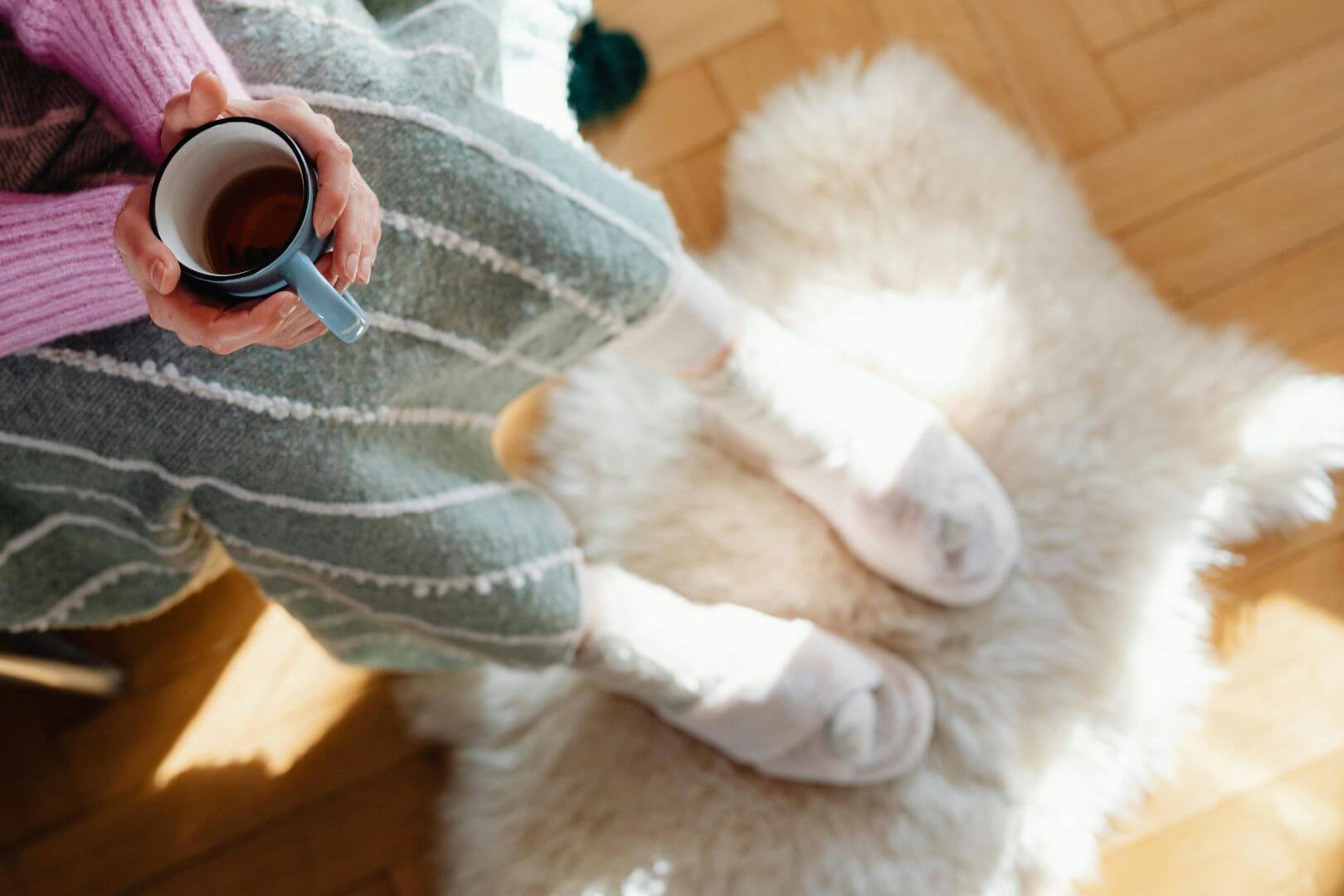
5) Stay snug with rugs and soft furnishings
If your rental has wooden or laminate flooring, you may lose more heat than in carpeted rooms. According to the National Energy Foundation, uninsulated floors can account for up to 10% of heat loss.
Adding:
- Rugs
- Thick curtains
- Throws and blankets
- Fabric wall hangings
can improve insulation while making your space feel warmer and more comfortable.

When to contact your landlord
While tenants can take many practical steps, certain issues are not your responsibility.
You should contact your landlord or letting agent if you experience:
- Boiler breakdowns
- Radiators not heating properly
- Persistent damp or mould
- Cracked windows or severe draughts
- Frozen or leaking pipes
Never attempt DIY repairs to boilers or gas appliances — always report issues immediately.